
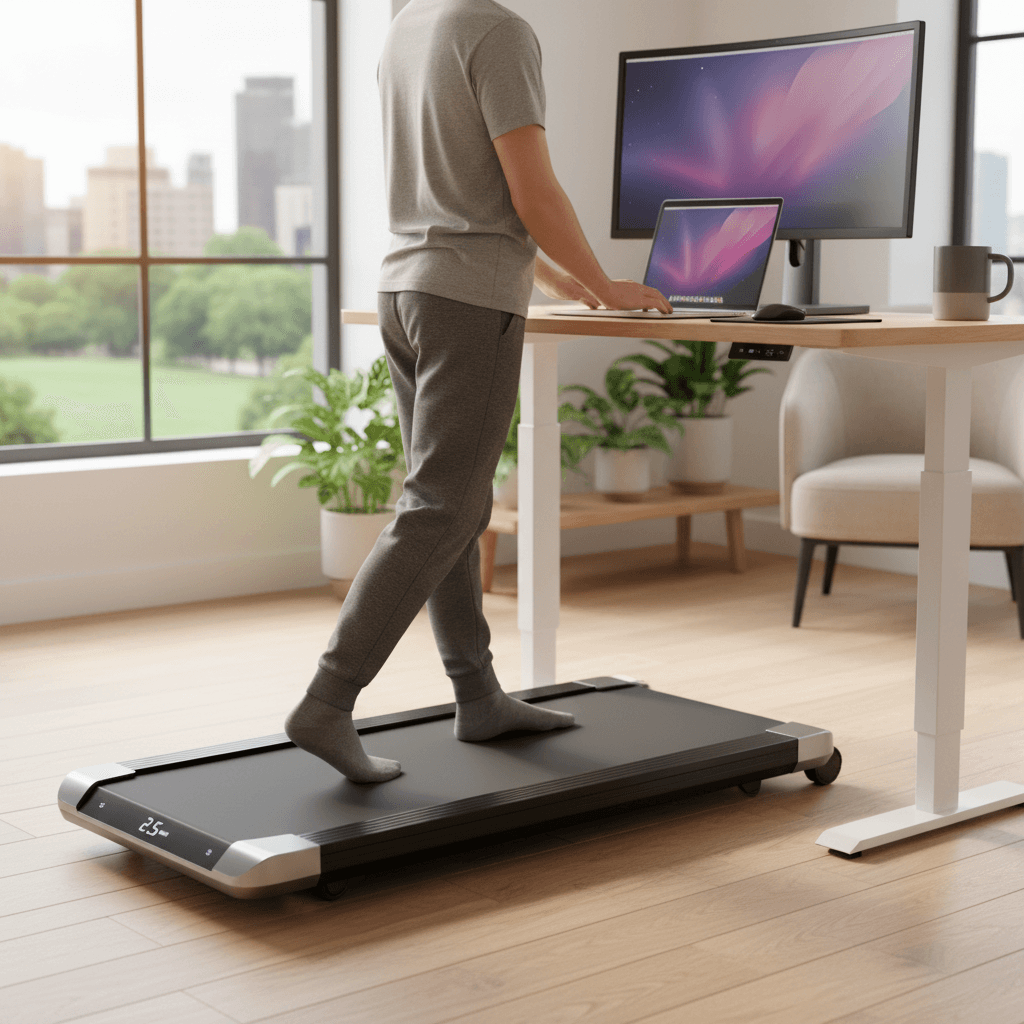
Walking pads and treadmills are both popular fitness machines designed to facilitate indoor walking and running exercises. While they serve a similar purpose, they differ significantly in design, functionality, and user experience. A walking pad, often referred to as a slim treadmill, typically features a compact, foldable design that allows for easy storage and portability. These machines are primarily engineered for walking activities at a lower speed, making them suitable for users who enjoy casual walking as part of their fitness routine.
On the other hand, traditional treadmills are more robust and versatile, equipped with a broad range of functionalities that cater to various fitness levels. Standard treadmills often offer adjustable speed settings, incline options, and advanced features such as heart rate monitoring, pre-set workout programs, and interactive displays. This diversity makes them an appealing choice for individuals looking to engage in walking, running, or interval training within their home gym setup.
Key Differences in Design and Functionality
Walking pads and treadmills differ significantly in design, functionality, and user experience, making them suitable for various fitness needs and environments. One of the most noticeable distinctions is size; walking pads are typically more compact and lightweight than traditional treadmills. This design allows users to store walking pads easily, even in small spaces, making them an ideal option for those living in apartments or homes with limited room for fitness equipment.
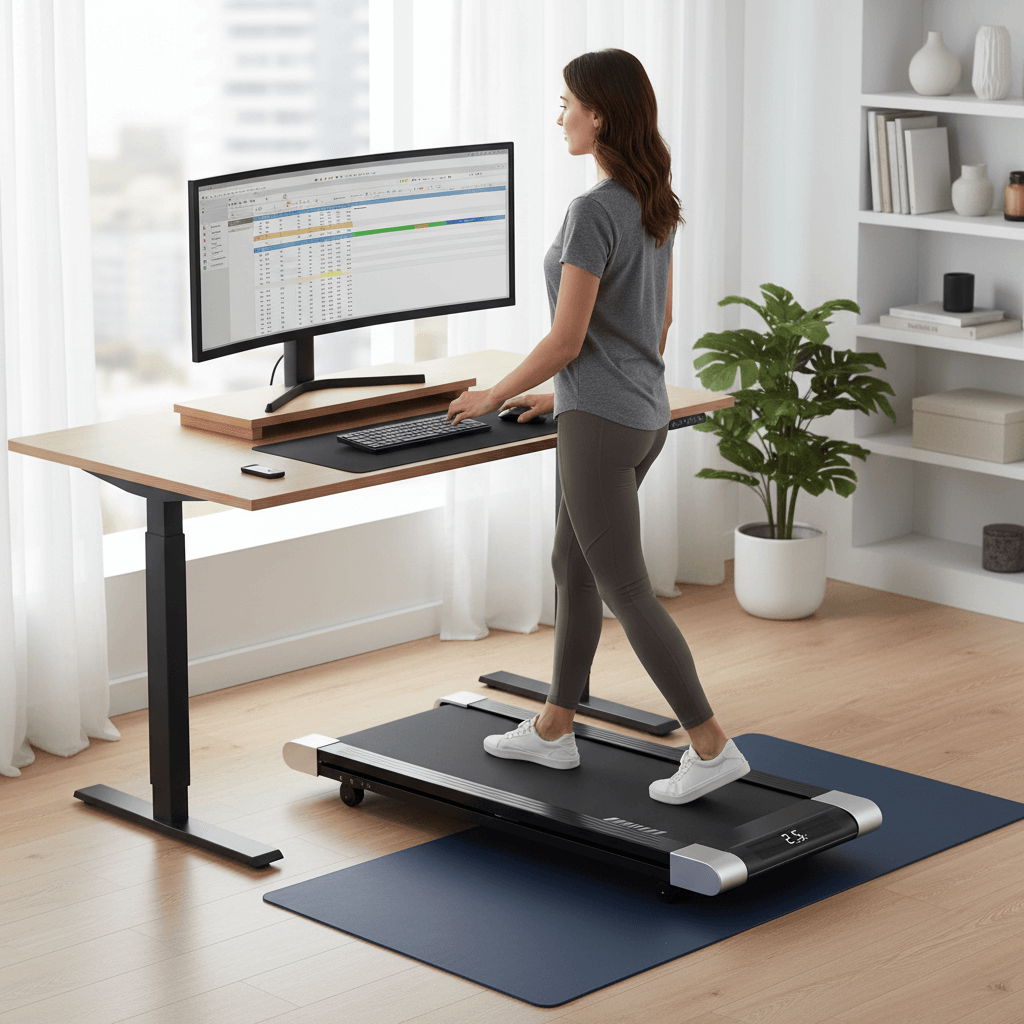
Weight plays a crucial role in the portability of these machines. Walking pads usually weigh less than most treadmills, making them easier to transport. Many models come with built-in wheels, allowing users to effortlessly move them from one place to another. In contrast, treadmills can often be heavier and more cumbersome, which might make relocation within a home more challenging.
When it comes to technology, both walking pads and treadmills offer varying features that enhance user experience. Treadmills generally include larger display screens that provide detailed information about speed, distance, and calories burned. Many modern treadmills also incorporate heart rate monitors and preset workout programs designed to cater to different fitness levels. Walking pads, however, often have simpler controls and screens, focusing on essential functions while still offering an efficient workout experience.
While both machines serve the purpose of facilitating walking or running, their varied functionalities can influence usability in a home setting. Treadmills tend to be better suited for individuals who seek advanced features and a more intense workout regimen. Conversely, walking pads offer convenience and simplicity, appealing to those who prefer light exercises or have budget constraints. Ultimately, the choice between a walking pad and a treadmill will depend on an individual’s fitness goals and living situation.
Health Benefits of Walking Pads vs. Treadmills
Both walking pads and traditional treadmills provide effective avenues for physical exercise, yet they offer distinct health benefits that cater to different fitness levels and health goals. One of the primary considerations when comparing these two options is calorie burn. Walking pads, designed for low-impact workouts, allow users to engage in light walking during tasks such as working or watching television. This can lead to a more consistent calorie burn throughout the day, especially for those who struggle to fit exercise into their busy lives. In contrast, treadmills are often used for more intense workouts, where users can adjust speed and incline to significantly increase caloric expenditure.
Cardiovascular fitness is another crucial factor. Treadmills inherently offer a wider range of workout intensities, which can be beneficial for those looking to improve their aerobic capacity. Interval training, which alternates periods of high and low intensity, is easier to execute on a treadmill, making it a favored choice for more experienced athletes. However, those with lower fitness levels or specific health conditions may find walking pads to be gentler on the heart while still promoting moderate cardiovascular benefits.
Joint impact is a prominent concern for many individuals when selecting exercise equipment. Walking pads typically have a softer surface, providing a gentler experience for the joints compared to the often harder surface of treadmills. This can be particularly important for those recovering from injury or dealing with chronic pain. Walking pads facilitate rehabilitation by allowing users to maintain low-impact movement without exacerbating their conditions. On the other hand, for individuals seeking to increase their joint strength and overall fitness, the controlled environment of a treadmill may be more advantageous.
Determining whether a walking pad or a treadmill is more suitable ultimately depends on personal fitness goals and individual health considerations. Each equipment type presents unique advantages that can cater to a wide spectrum of needs, thus supporting varied pathways to improve overall health and well-being.
Choosing the Right Option for Your Lifestyle
When deciding between a walking pad and a treadmill, it is essential to evaluate your personal needs and lifestyle to determine which option better aligns with your circumstances. One primary factor to consider is the available space in your home. Walking pads are typically more compact and can easily be stored away when not in use, making them a preferred choice for those with limited room. On the other hand, treadmills tend to require more dedicated space and may not be ideal for smaller living areas.
Budget considerations also play a critical role in this decision-making process. Generally, walking pads are more budget-friendly than traditional treadmills, which can vary significantly in price based on features and build quality. If you are approaching your fitness journey with budget constraints, a walking pad might suit your financial plan better without sacrificing your workout goals.
Your fitness goals and preferred workout intensity should also influence your choice. If you aim to engage in high-intensity training and require various speed settings and incline options, a treadmill may meet your expectations effectively. Conversely, if your primary goal is to integrate regular walking into your daily routine without the pressure of high-intensity workouts, a walking pad serves that need well, allowing you to remain active while multitasking, such as working from home.
Ultimately, preferences for workout style are subjective yet important. Some individuals thrive in structured workout environments, favoring the substantial features of a treadmill, while others appreciate the simplicity and convenience of a walking pad. Consider your specific lifestyle, preferences, and goals carefully before making a choice, enabling you to select the fitness equipment that suits you best.