
Walking 10,000 steps a day is a popular fitness goal that promotes better health, improves cardiovascular endurance, and aids in weight management. Many people prefer to walk on treadmill for 10000 steps because it provides a controlled environment with adjustable speed and incline settings. However, one common question is how long it actually takes to reach this goal on a treadmill.
The answer depends on several factors, including walking speed, stride length, and treadmill incline. By understanding the relationship between step count, distance, and time, individuals can develop an efficient walking routine. This guide will break down the key factors that affect step count, estimate the time needed at different speeds, and provide useful tips to make reaching 10,000 steps more effective and enjoyable.
Understanding Step Count and Distance
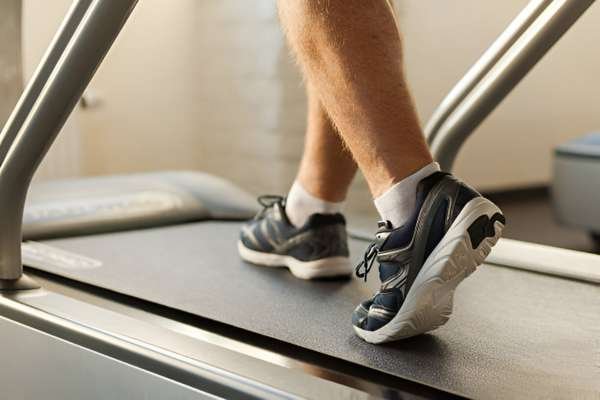
The number of steps taken to cover a mile varies depending on an individual’s stride length, but on average, a person takes about 2,000 steps to walk one mile. This means that to reach 10,000 steps, one would typically need to walk around 5 miles. However, personal factors such as height, leg length, and walking style can influence stride length, causing slight variations in the actual distance covered. Additionally, factors such as treadmill settings, footwear, and fatigue levels may impact step count. Using a fitness tracker or treadmill step counter can help provide a more precise measurement.
Understanding these numbers is essential for setting realistic fitness goals and ensuring that your treadmill workouts effectively contribute to reaching your daily step target. If your goal is overall health improvement, walking 10,000 steps regularly can be a great way to stay active and maintain cardiovascular fitness.
Walking Speed and Time Estimation

The time it takes to walk 10,000 steps on a treadmill depends largely on your walking speed. At a slower pace of two miles per hour, it will take about 2.5 hours to walk 10,000 steps, because fewer steps are taken per minute. Walking at a moderate pace of 3 miles per hour reduces the time to about 1 hour and 40 minutes, which is a good eco-friendly choice for most people. Walking at a faster pace of 4 miles per hour reduces the time to about 1 hour and 15 minutes, because the increased speed allows for faster steps.
However, individual stride lengths can affect these estimates, as people with longer strides will take fewer steps to cover the same distance, which will slightly change the time required. In addition, factors such as the incline of the treadmill, walking intervals, and health level can affect the overall duration. Choosing a pace that matches your steady-state strength and comfort level ensures consistency and stability in achieving your 10,000-step goal.
Factors Affecting Step Count (Walk on Treadmill for 10000 Steps)

Several key factors influence the total number of steps recorded while walking on a treadmill. One of the most significant is stride length, which varies from person to person. People with shorter strides will take more steps to cover the same distance, while those with longer strides will take fewer. Another important factor is treadmill incline; walking on an incline often results in shorter steps, leading to a higher step count compared to walking on a flat surface. Additionally, walking versus running affects step count significantly. Running usually requires longer strides, which means fewer steps per mile compared to walking.
Other elements, such as walking speed, posture, and even fatigue, can also impact how many steps you take. Being aware of these factors allows for better step tracking and helps in adjusting treadmill settings to maximize efficiency and accuracy in reaching the 10,000-step goal.
Tips for Reaching 10,000 Steps Efficiently

Reaching 10,000 steps on a treadmill can feel like a long task, but there are ways to make it more manageable and enjoyable. One effective strategy is to break your walking sessions into shorter segments rather than trying to complete all 10,000 steps in one go. For example, you can walk for 30-minute intervals throughout the day instead of doing one long session. This approach can help prevent fatigue and make it easier to stay consistent. Another helpful tip is to use treadmill programs or increase the incline for variation. Walking on an incline not only adds intensity to your workout but can also help you reach 10,000 steps more quickly by increasing the number of steps per mile.
Lastly, staying engaged with entertainment such as music, TV shows, audiobooks, or podcasts can make the time pass faster and keep you motivated. By incorporating these strategies, you can efficiently hit your step goal while keeping your treadmill workouts enjoyable and effective.
Read more: How to Use Curved Treadmill
Conclusion
Reaching 10,000 steps on a treadmill is an achievable goal that offers numerous health benefits, from improved cardiovascular fitness to better weight management. The time required depends on walking speed, with a slow pace taking around 2.5 hours, a moderate pace about 1 hour and 40 minutes, and a brisk pace roughly 1 hour and 15 minutes. Factors such as stride length, treadmill incline, and walking versus running can influence the total step count and duration.
To make the process more efficient and enjoyable, consider breaking your steps into shorter sessions, using treadmill programs for variation, and staying engaged with entertainment like music or podcasts. Whether you walk on treadmill for 10000 steps in one session or spread it throughout the day, maintaining consistency is key to reaping the benefits of daily movement.